5N High-Purity Rubidium Metal, Rubidium Salts & Cesium Salts
Struggling to push rubidium metal, Rubidium Carbonate, Rubidium Sulfate, Rubidium Chloride, Rubidium Iodide, Rubidium Hydroxide, or cesium salts from 99.9% to 99.99999% (7N) purity? You’re not alone. The real question isn’t “Can we do it?” — it’s “Which process actually delivers 6N–7N rubidium salts and cesium salts at scale without bankrupting the project?”
At our rubidium and cesium manufacturing facility, we’ve lived this exact challenge for years. Whether you need ultra-high-purity rubidium metal for atomic clocks, battery-grade rubidium salts for next-gen energy storage, or optical-grade cesium salts for quantum sensors and perovskite solar cells, the right purification strategy decides everything: chip yields at 7nm, photovoltaic efficiency above 25%, and whether your project actually turns a profit.
Today we’re pulling back the curtain on why ion exchange is quietly rewriting the rules for rubidium metal, rubidium salts, and cesium salts — and why it’s leaving older methods in the dust.
I. The “Impossible Triangle” of High-Purity Rubidium & Cesium Production
Purity, cost, capacity — pick any two. That’s the brutal reality we face every day when producing 4N+ Rubidium Carbonate, Rubidium Sulfate, Rubidium Chloride, Rubidium Iodide, Rubidium Hydroxide and cesium salts.
One of our early rubidium metal projects started with zone melting alone. After eight passes we hit 4N, but output was only dozens of kilograms per month and lead times stretched to six months. Switching to an “ion exchange + electrolysis” hybrid delivered stable 4N Rubidium Carbonate, Rubidium Sulfate, Rubidium Chloride, Rubidium Iodide, Rubidium Hydroxide and cesium salts, multiplied capacity 10×, and actually lowered total cost.
3N → 6N is a hurdle. 6N → 7N is a wall. 7N+ is basically “pay-to-play.” The winners choose the right process, not the most expensive one.
II. Six Purification Technologies — Only One Was Built for Rubidium Salts & Cesium Salts
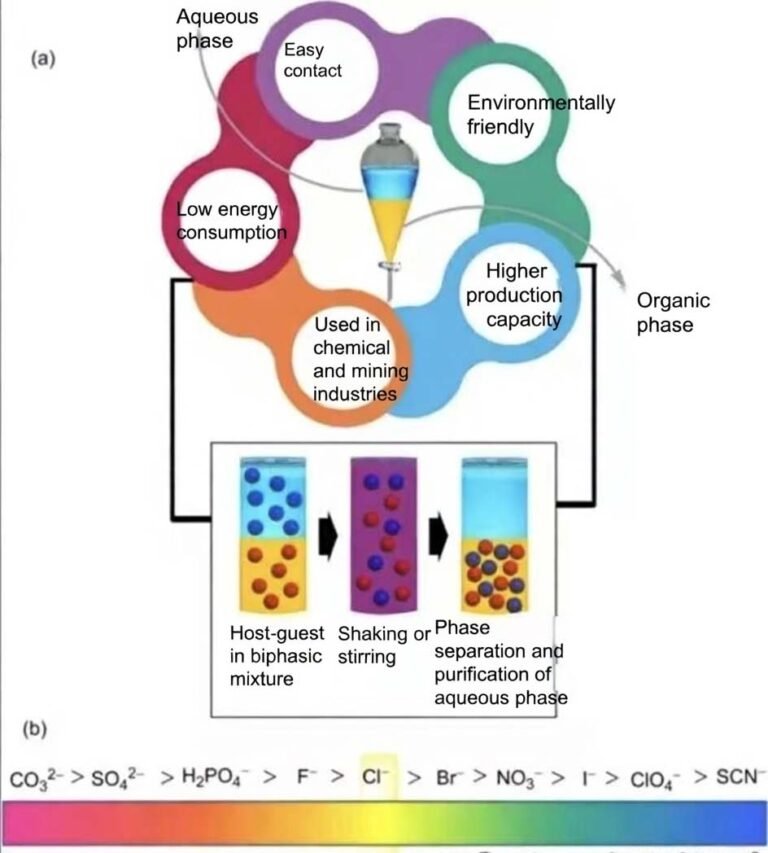
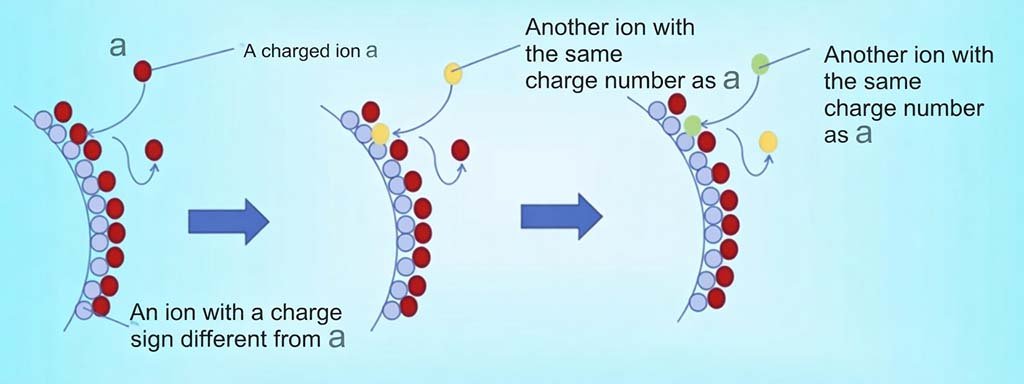
Ion Exchange — The Precision Sniper Everyone Underestimated
Solvent Extraction — Yesterday’s Hero, Today’s Headache
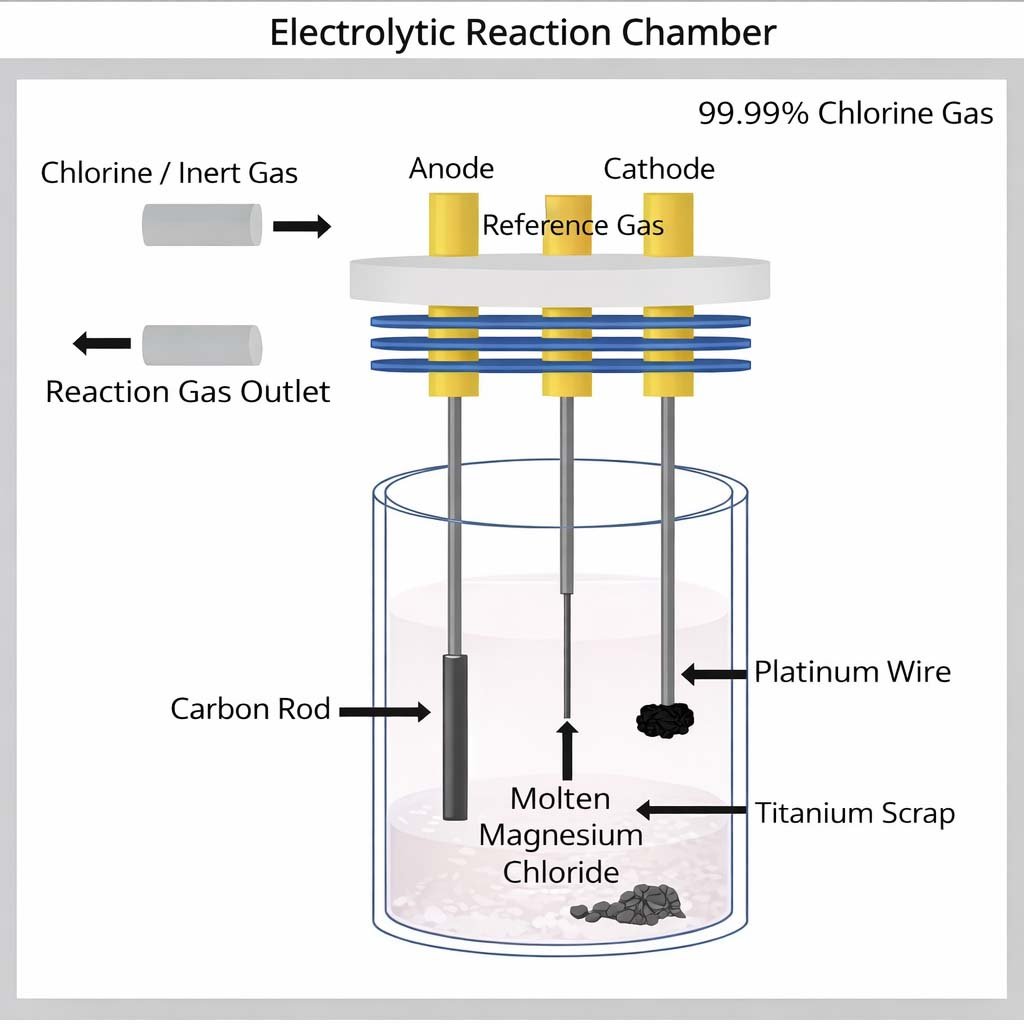
Electrolysis — High-Energy Double-Edged Sword
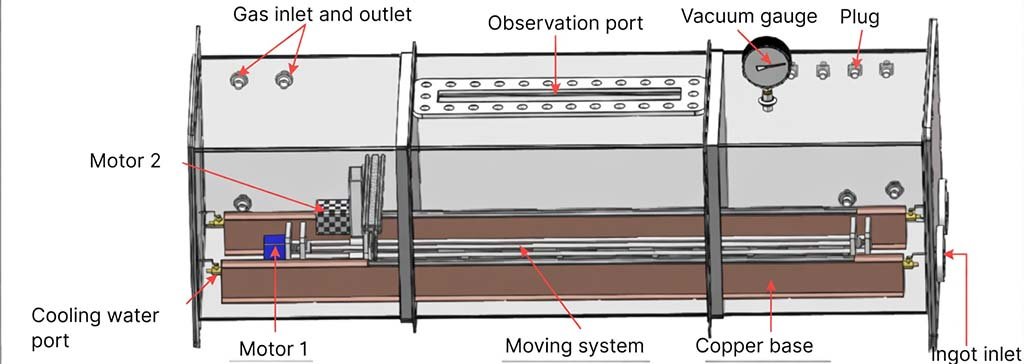
Zone Melting — Lab Toy, Not Factory Reality
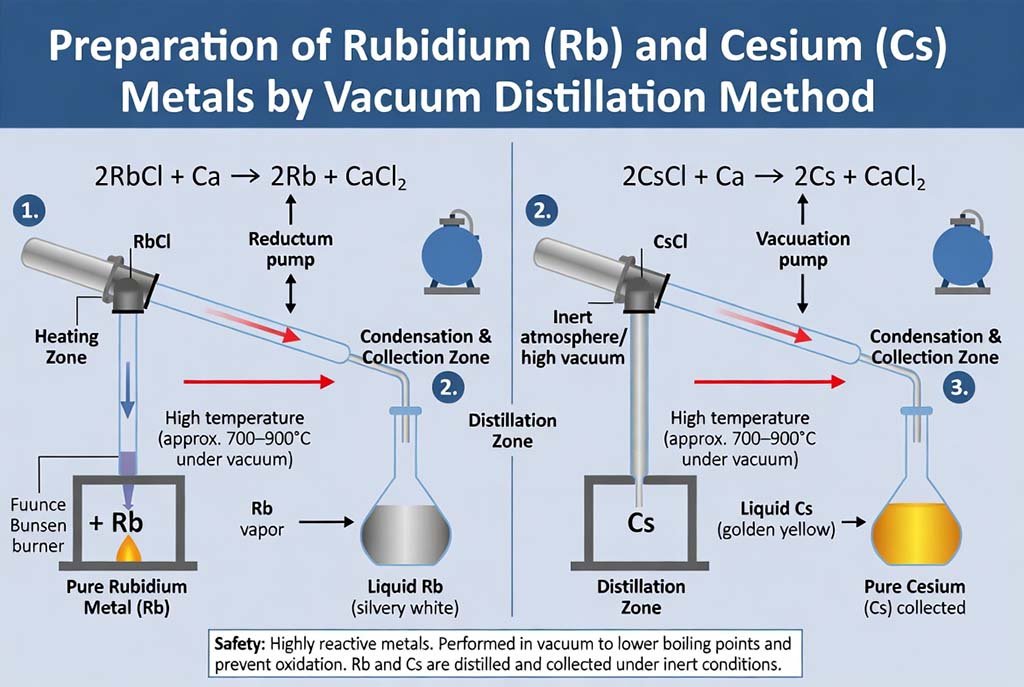
Vacuum Distillation — Fast but Rough
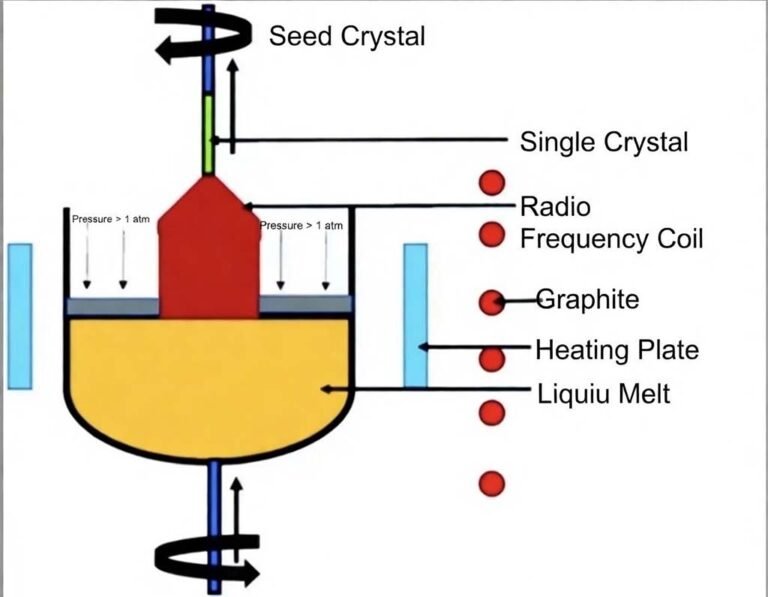
Czochralski Single-Crystal Pulling — For Scientists, Not Production
III. Head-to-Head Comparison Table — How to Choose for Rubidium & Cesium
| Dimension | Ion Exchange (Our Choice) | Electrolysis | Extraction | Zone Melting | Distillation | Czochralski |
|---|---|---|---|---|---|---|
| Purity Ceiling | 7N+ | 5N–6N | 4N–5N | 8N (theory) | 5N | 6N+ |
| Metals Covered | 9+ (incl. Rb & Cs) | Base metals | Broad | Specific | Specific | Extremely narrow |
| Energy Consumption | Extremely low (1/5 electrolysis) | Extremely high | Medium | Medium | High | High |
| CapEx | Low (resin columns) | High | Medium | High | High | Extremely high |
| Environmental Cost | Low (reusable resin) | High | High | Low | Low | Low |
| Capacity Flexibility | High (parallel columns) | Medium | High | Extremely low | Medium | Extremely low |
| Overall Economics | ★★★★★ | ★★ | ★★ | ★★ | ★★★ | ★ |
Data aggregated from 2025 ACS Omega reviews, live plant data, and patents — all validated on Rubidium Carbonate, Rubidium Sulfate, Rubidium Chloride, Rubidium Iodide, Rubidium Hydroxide and cesium salts production lines.
IV. Real-World Pain Points & Our Proven Fixes for Rubidium & Cesium
Pain 1: Domestic 4N+ shortage Most Chinese suppliers stop at 3N for rubidium metal and cesium salts. We solved it with ion exchange + targeted zone melting: ion exchange first hits 3N, then zone melting removes the last stubborn impurities. Result — stable 4N supply chain of Rubidium Carbonate, Rubidium Sulfate, Rubidium Chloride, Rubidium Iodide, Rubidium Hydroxide.
Pain 2: Secondary resource economics Recovering rubidium and cesium from spent optical glass, battery electrolyte, or metallurgical acid used to lose money. Our resin + five-stage purification now delivers 99% recovery of 4N cesium salts and rubidium salts like Rubidium Carbonate, Rubidium Sulfate, Rubidium Chloride, Rubidium Iodide, Rubidium Hydroxide at positive margin.
Pain 3: Old-school path dependency Engineers still default to electrolysis. We show them the numbers: switching the pre-treatment to ion exchange cuts energy 60% and total cost 40% while hitting battery-grade Rubidium Carbonate and Rubidium Sulfate specs every time.
V. Three Irreversible Industry Shifts (All Favoring Our Rubidium & Cesium Products)
- Single-process → Hybrid process The winning flowsheet is now: extraction/precipitation pre-treatment → ion exchange precision polishing → electrolysis or zone melting final cleanup. Ion exchange is the indispensable heart — exactly what powers our rubidium metal and cesium salts lines, delivering Rubidium Carbonate, Rubidium Sulfate, Rubidium Chloride, Rubidium Iodide, Rubidium Hydroxide at scale.
- Purity-first → Cost-performance-first Customers now ask: “Can 4N rubidium salts work? ” Our ion-exchange process answers “yes” every time.
- Linear → Circular economy National funds are pouring into recycled semiconductor materials. Ion exchange turns spent rubidium/cesium targets and waste liquor into new 4N+ Rubidium Carbonate, Rubidium Sulfate, Rubidium Chloride, Rubidium Iodide, Rubidium Hydroxide and cesium salts — perfectly aligned with carbon-neutral goals.