
Rubidium Chloride in Photoluminescent Rhenium–Sulfide Cluster Crystals for LED Materials
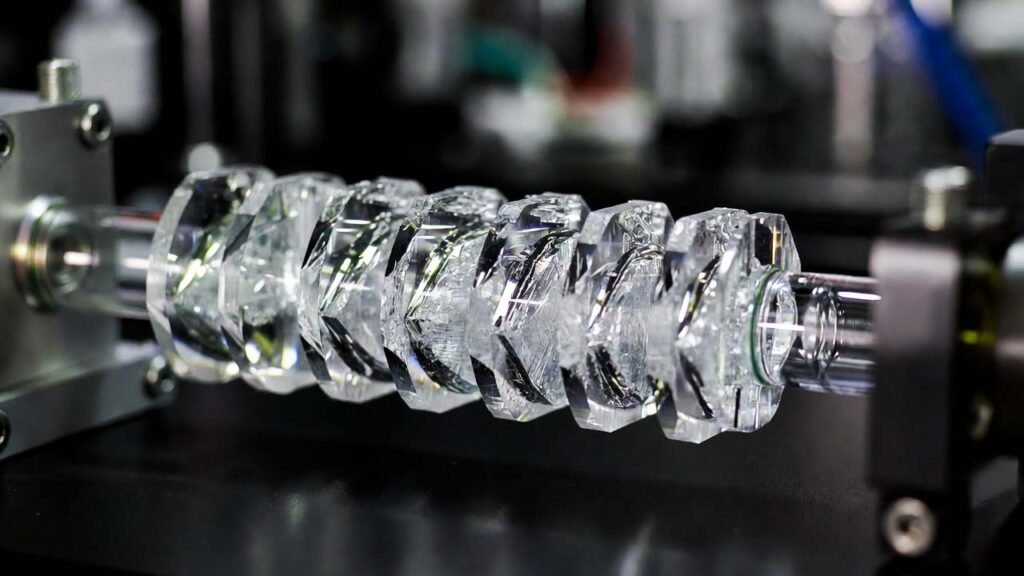
For the chloride-based trigonal series, rubidium chloride (RbCl) is a primary feedstock that supplies Rb+ for A-site population and Cl− for halide stoichiometry. By combining RbCl with CsCl, rhenium metal, sulfur, and ReCl5 inside a sealed quartz ampoule under high vacuum/inert conditions, millimeter-scale single crystals with high phase purity and strong PL performance can be obtained. Reported PL quantum yields for representative compositions reach high levels (for example, Rb-based and Cs-based end members).
Rubidium Chloride in Parkinson’s Disease Therapeutics Research: Formulation & Preclinical Evaluation Workflow
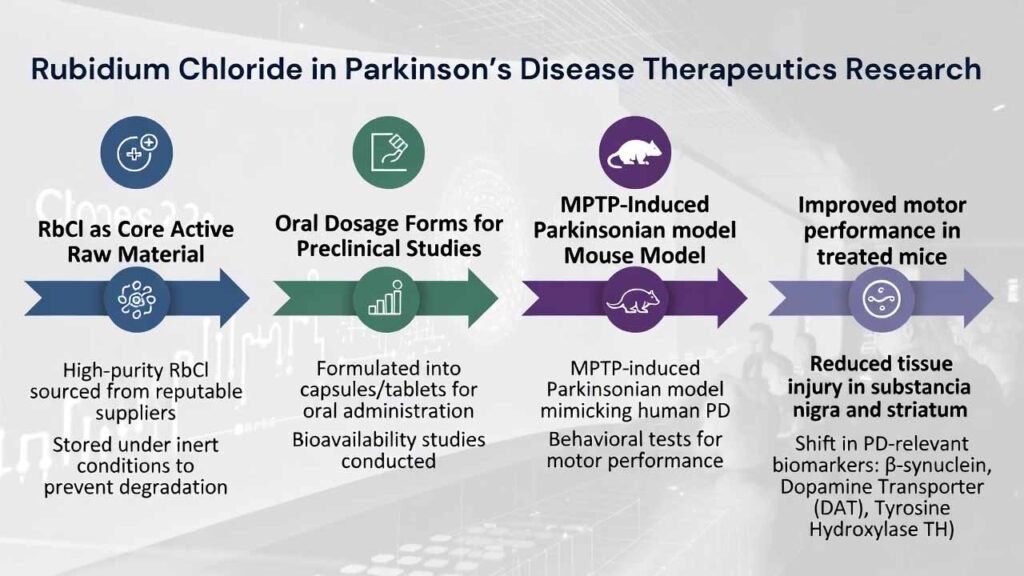
In this workflow, rubidium chloride (RbCl) is treated as the core active raw material and formulated with pharmaceutically acceptable excipients into permitted dosage forms suitable for oral administration. Efficacy is evaluated in an established MPTP-induced Parkinsonian mouse model, where RbCl administration is associated with improved motor performance, reduced tissue injury in substantia nigra/striatum, and favorable shifts in PD-relevant biomarkers (including α-synuclein, Dopamine Transporter (DAT), and Tyrosine Hydroxylase (TH)).
High-Efficiency OLEDs for Displays & Solid-State Lighting Using Rubidium Sulfate (Rb₂SO₄) Electron-Injection Layers

For process engineers targeting higher efficiency and improved device stability, Rb₂SO₄ is a practical rubidium source for the EIL because it is compatible with vacuum deposition workflows and can interact with ETL materials to promote n-type behavior and faster electron transport. When paired with magnesium compounds (e.g., MgCl₂, MgF₂, MgO, MgS), the EIL can also enhance optical out-coupling via scattering, supporting higher external emission at a given current density.
Rb3In(SO4)3 Crystal for UV Laser Frequency Conversion (SHG/OPO/OPA): Hydrothermal Preparation Applications
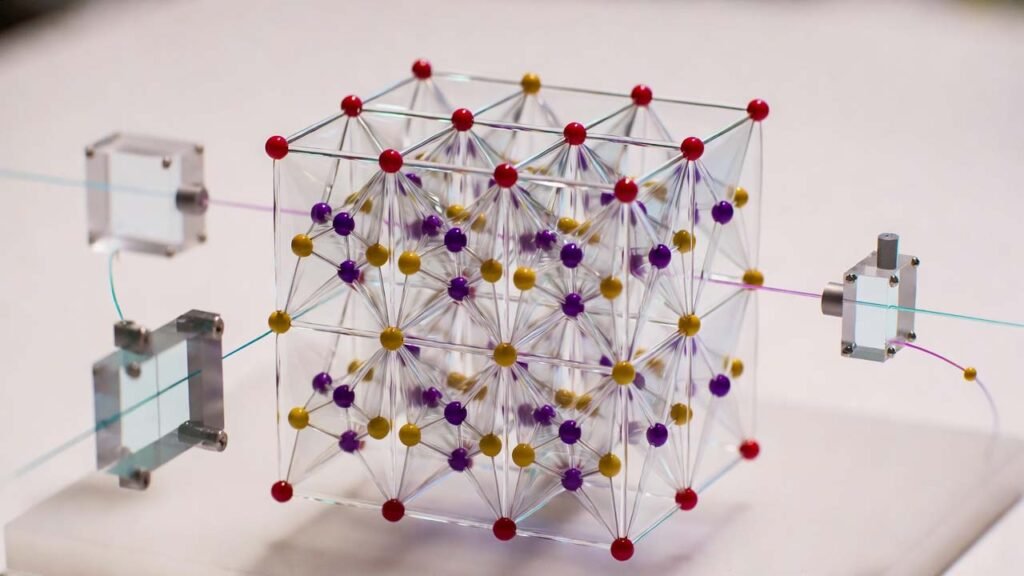
Rubidium indium sulfate, Rb3In(SO4)3, is an inorganic mixed-metal sulfate designed for second-order nonlinear optical (NLO) functions where UV capability is required.
Rubidium Sulfate (Rb2SO4) Doped Titanium-Based TiO2 Thin-Film Photocatalyst: In-Situ Hydrothermal Growth + Calcination
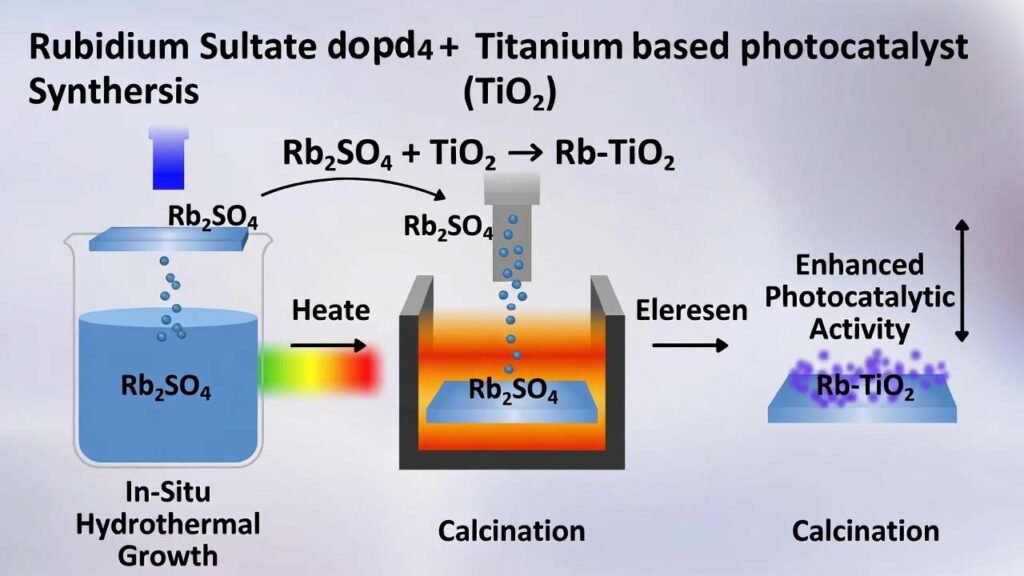
Textile and dyeing wastewater often contains complex organic dyes that are difficult to remove by conventional methods. This page summarizes a practical preparation route for a rubidium sulfate (Rb2SO4) modified titanium-based TiO2 thin film.
Rb₅BS₄O₁₆ Rubidium Borosulfate Crystal Growth Process Using Rubidium Sulfate (Rb₂SO₄)
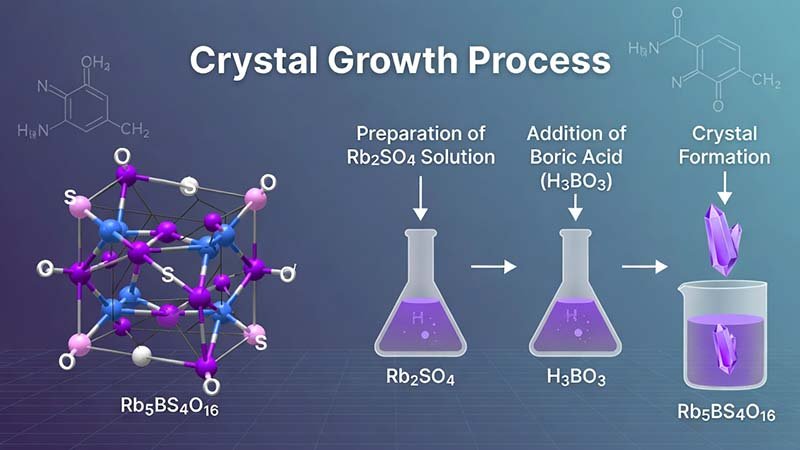
Rubidium borosulfate Rb5BS4O16 is a boron–sulfate functional material that combines borate and sulfate groups in one lattice.For manufacturers targeting stable quality and repeatable crystal growth, rubidium sulfate (Rb2SO4) is the anchor feedstock: it supplies Rb and sulfate in one material, keeps sulfur stoichiometry on target, and supports cleaner conversion during the solid-state stage.
Rubidium Use in Perovskite Solar Cells: Stability Breakthroughs and Mass Production Outlook
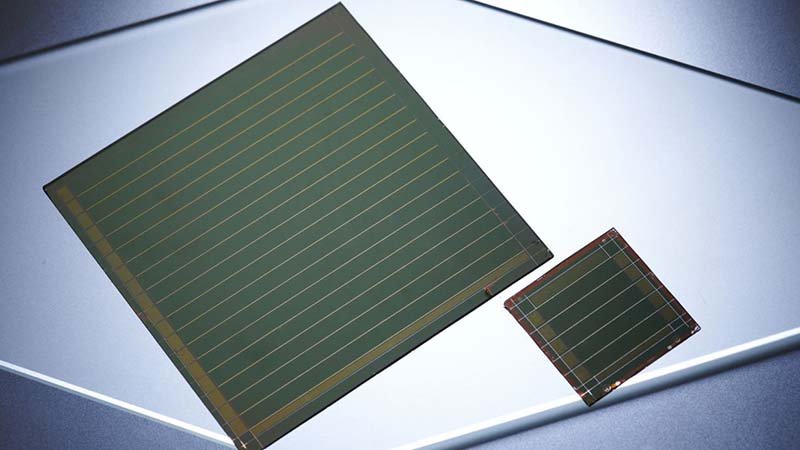
Rubidium Use in Perovskite Solar Cells: Stability Break […]
Rubidium Carbonate in Rubidium Titanyl Phosphate (RbTiOPO₄, RTP) Crystals: Applications and Advantages Analysis
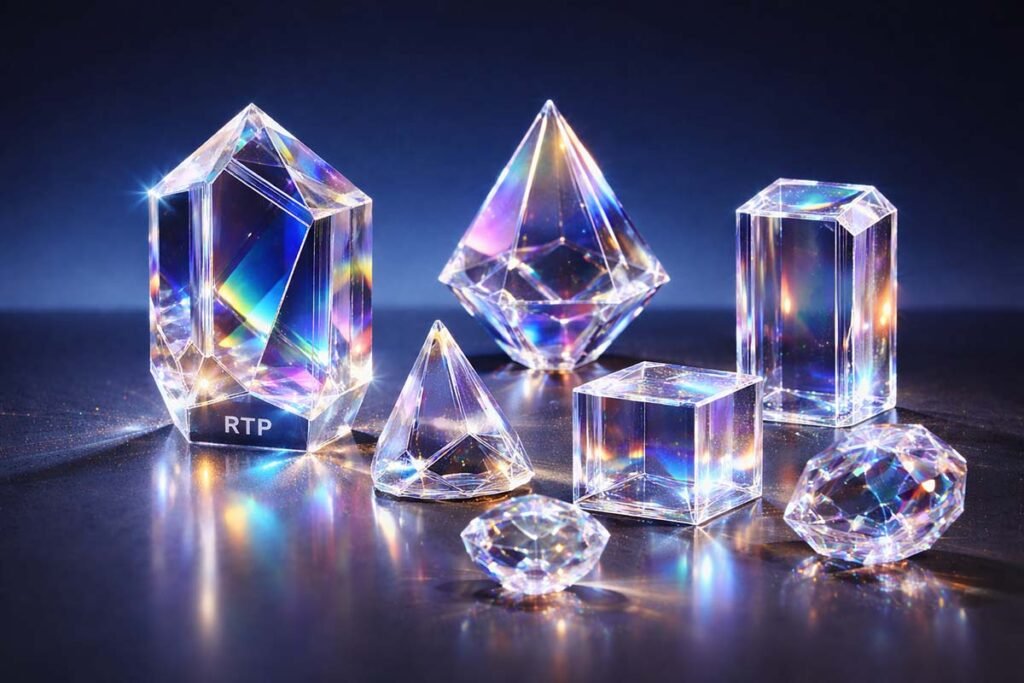
Rubidium Carbonate in Rubidium Titanyl Phosphate (RbTiO […]
Advanced Implementation of Night Vision-Compatible Devices with Rubidium Ions (Rb): A Detailed Guide

Advanced Implementation of Night Vision-Compatible Devi […]
Unveiling the Future of Tough and Scratch-Resistant Silicate Glass: The Role of Rubidium Ions

Unveiling the Future of Tough and Scratch-Resistant Sil […]