Where is Rubidium Found Naturally?

Rubidium is a dispersed element that typically “hides” inside potassium-bearing minerals. It becomes economically interesting when geological processes concentrate it in rare-element pegmatites (often together with lithium, tin, cesium, tantalum/niobium, and beryllium).
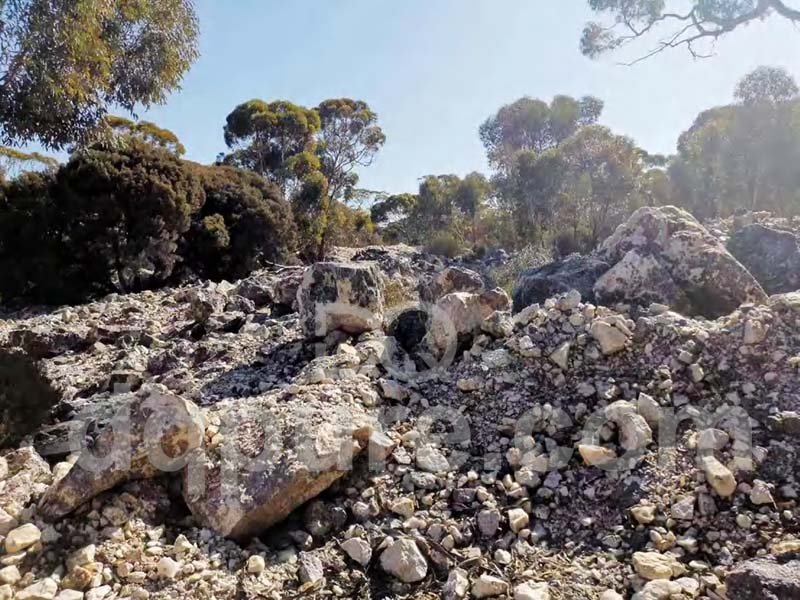
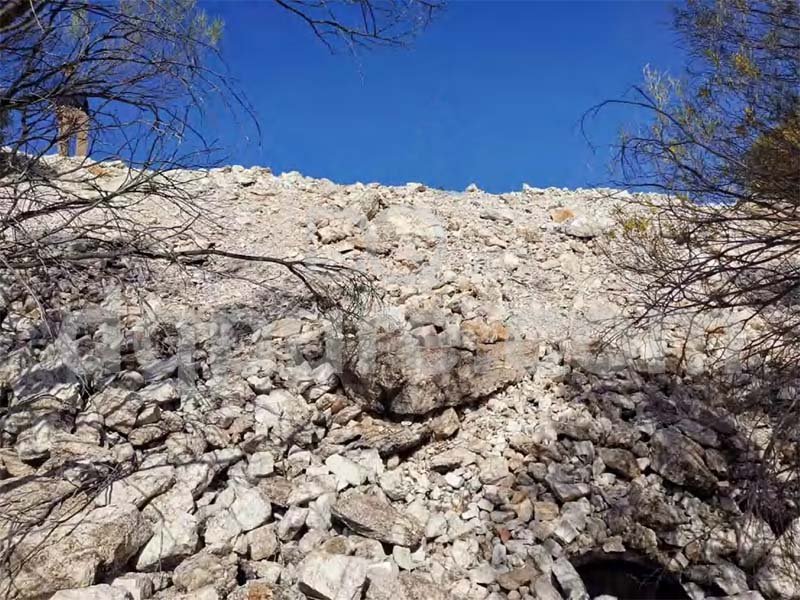
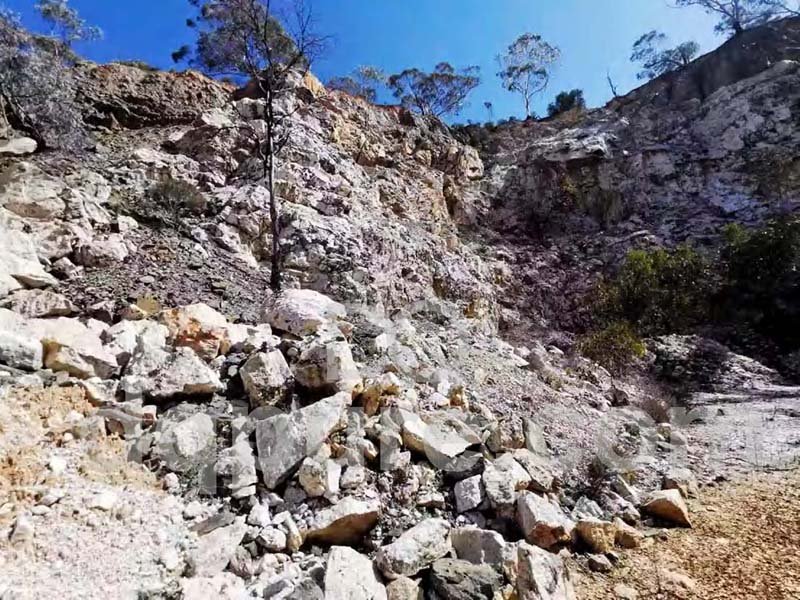
DQpure field operation: Over 10+ years and millions of dollars in exploration, sampling, and lab testing, we built a clear, practical understanding of how rubidium is hosted inside a complex pegmatite system. For site security, the location is intentionally not disclosed.

rubidium ore vein
DQPURE Rubidium Mining area

1) Natural occurrence: where rubidium lives in the Earth

In most rocks, rubidium occurs at low concentrations because it substitutes for potassium in micas and K-feldspars. This is why rubidium is commonly associated with granites, gneisses, and pegmatitic systems rather than forming a classic stand-alone “rubidium ore.”

Typical natural settings:

  • Granitic terrains (trace Rb in mica & feldspar)
  • Rare-element granitic pegmatites (Rb-enriched zones)
  • Brines / evaporite-related systems (Rb in solution with other salts)

Rubidium-bearing minerals you’ll see in the field/lab:

  • Lepidolite (Li-mica; major industrial source in practice)
  • Pollucite (Cs mineral; Rb often recovered as a by-product)
  • Zinnwaldite and other Li-micas
  • Rb as trace in muscovite/biotite and K-feldspar
DQPURE Rubidium Ore

2) DQpure rubidium-bearing pegmatite vein: what we can show (without disclosing the location)

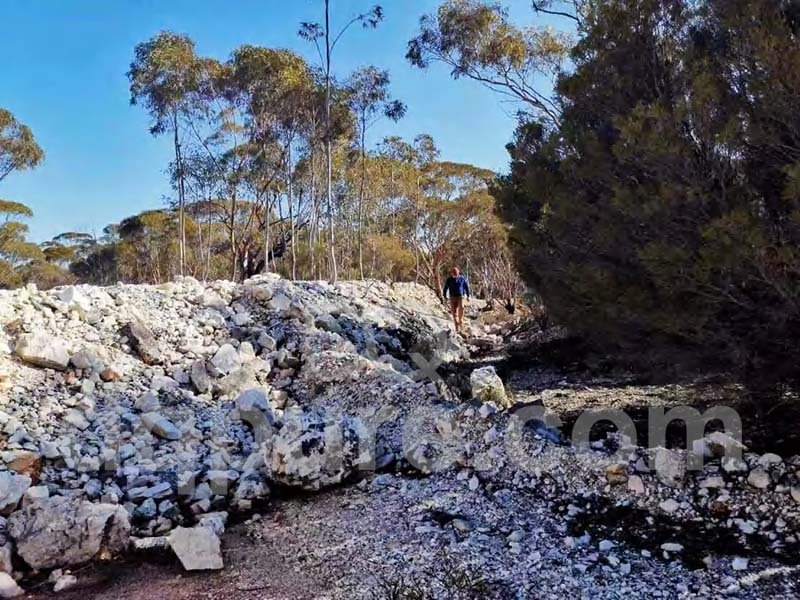
The pegmatite vein extends to roughly ~80 meters below surface based on our exploration and exposure work. For security reasons, coordinates and identifiable landmarks are removed.

Rubidium Ore Vein
DQPURE Rubidium Ore Vein
DQPURE Rubidium Ore Vein extention

3) Sampling, Classification & Sample Preparation

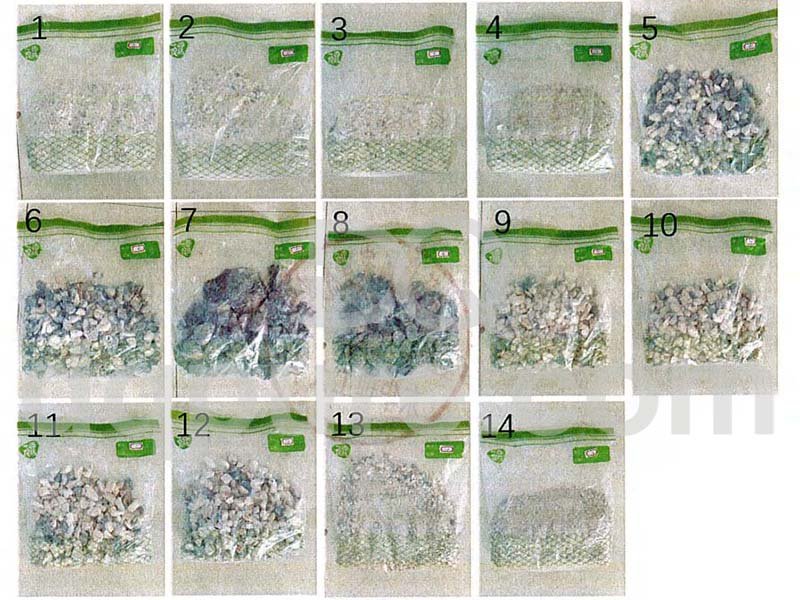
After sampling, the ore was classified into six types based on ore provenance and preliminary grade screening (see Table 1). For each ore type, 2 kg of material was collected, sealed, and assigned a unique sample ID for subsequent analytical testing. Packaged and labeled samples are shown in Figure 1.
A total of 14 ore samples were prepared by a combination of mechanical ball milling and manual grinding to produce powder with an average particle size of -200 mesh, ensuring sample homogeneity and analytical consistency.

DQPURE Rubidium ore sample

4) Micro-morphology (SEM)

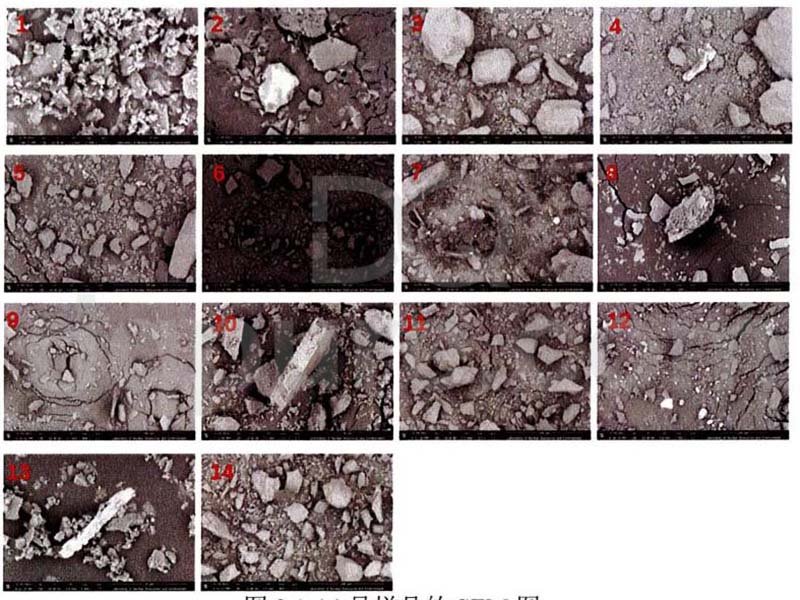
Scanning Electron Microscopy (SEM) was used to investigate the micro-morphology of Samples 1–14. The results are shown.

Overall, the ore particles exhibit an irregular / amorphous-like morphology with good dispersion, and no obvious large-scale agglomeration is observed. This supports consistent sample homogenization and analytical repeatability, and provides practical input for optimizing downstream beneficiation and thermal processing.

DQPURE Rubidium ore sample SEM Scan

5) Mineral phases (XRD)

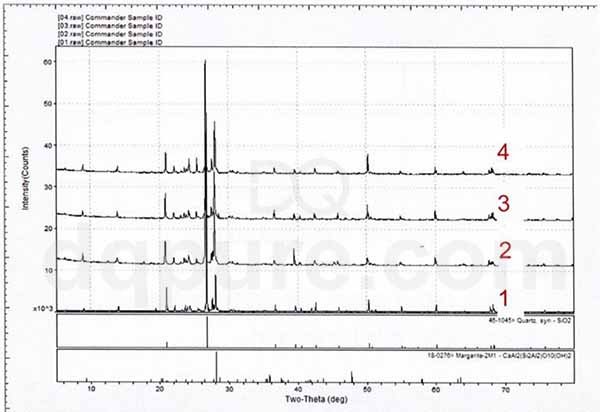
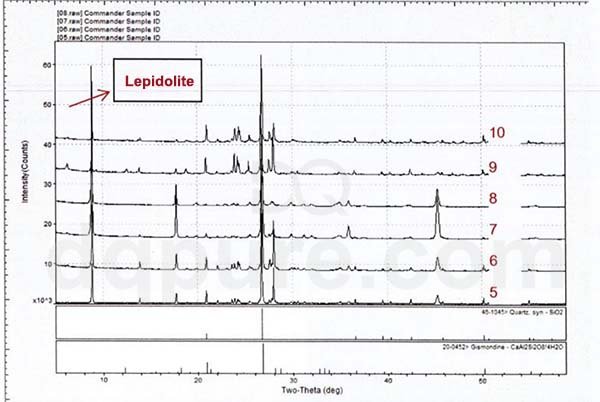
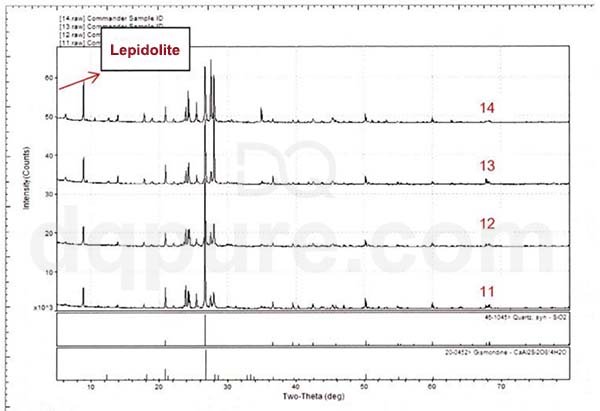
X-ray diffraction (XRD) was conducted on Samples 1–14 to identify the mineral phase assemblage. The results are presented.

  • Samples 1–4: mainly quartz and muscovite
  • Samples 5–14: mainly quartzmuscovite, and lepidolite (Li-mica)

Based on relative peak intensities, Samples 5–10 exhibit more pronounced lepidolite peaks, indicating a comparatively higher lepidolite content in this group. This reflects mineralogical variability and localized enrichment across different ore sources or zones, and provides direct guidance for ore sorting, beneficiation, and roasting activation strategy.

Rubidium ore sample 1-4 RXD scan
Rubidium ore sample 5-10 RXD scan
Rubidium ore sample 11-14 RXD scan

Rubidium Ore Sample Classification Information

Sample No.Description
1-4Feldspar ore and low-grade lithium, rubidium ore
5-6Medium-grade lithium, rubidium ore
7-8High-grade rubidium ore
9-10Lithium and high-grade rubidium ore (dark ore mixture)
11-12Possibly similar to samples 1-4
13-14Crushed feldspar pile

6) Chemical composition (quantitative analysis)

Samples 1–14 were submitted to two independent laboratories for quantitative determination of major and trace elements: ALS Analysis & Testing (Guangzhou) and the Analytical Testing Center of East China University of Technology (ECUT).

  • ECUT: tri-acid digestion, followed by XRFICP-OES, and AAS analysis.
  • ALS (Guangzhou): XRFICP-OES, and ICP-MS analysis for major and trace elements.

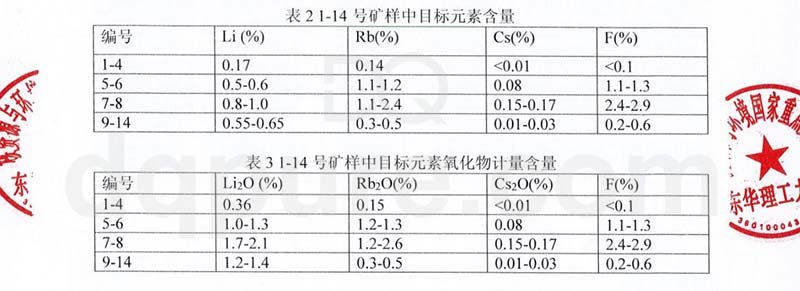
The datasets from both labs were compared and consolidated to identify the principal target elements in this ore as Li, Rb, Cs, and F. Elemental concentrations are summarized in Table 2, and oxide-equivalent grades for industrial reporting are provided in Table 3.

Rubidium Ore Chemical composition

Remark: In addition to rubidium and cesium, this mineral sample also contains gallium and gold. To ensure the protection of dqpure commercial confidentiality, the full elemental report will not be disclosed.

7) Ore-type distribution within pegmatite domains (JORC zoning)

Based on the JORC geological domaining, the pegmatite mineralisation is subdivided into four zones (Zone A–D). Due to strong zoning and heterogeneity typical of rare-element pegmatites, the proportion of different ore types varies by zone, which directly impacts rubidium deportment, recoverability, and economic cut-off decisions.

8) Conclusion: Selective mining is required

Integrating XRD, SEM, and quantitative chemistry results indicates that Rb is primarily hosted in lepidolite (Li-mica) and feldspar (commonly K-feldspar) via lattice substitution, while minor Rb may occur in other lithologies at grades typically too low to be economic. Therefore, selective mining and ore control are essential to prioritize high-potential ore types and manage low-grade dilution.

Results of Normative Mineral Calculations

MineralZONE AZONE BZONE CZONE D
Zinnwaldite2.82.82.81.3
Lepidolite1.11.11.10.4
Petalite2.82.82.81.5
Chlorite1.41.41.41.3
Garnet1.31.31.30.001
Albite32.725.726.128.6
Anorthite0.91.01.1N/A
Orthoclase6.76.36.3N/A
Muscovite7.89.18.914.5
Kaolin4.26.16.00.1
Quartz36.639.939.715.1
Total98.397.697.669.5

Whatsapp/wechat

+86 13588024337

lu@dqpure.com