Introduction to Rubidium

Rubidium was discovered in 1861 by German chemists Robert Bunsen and Gustav Kirchhoff. It was identified through flame spectroscopy, a technique that was relatively new at the time. Rubidium plays a vital role in various applications, from industrial processes to scientific research.


High-Efficiency OLEDs for Displays & Solid-State Lighting Using Rubidium Sulfate (Rb₂SO₄) Electron-Injection Layers

Rb3In(SO4)3 Crystal for UV Laser Frequency Conversion (SHG/OPO/OPA): Hydrothermal Preparation Applications

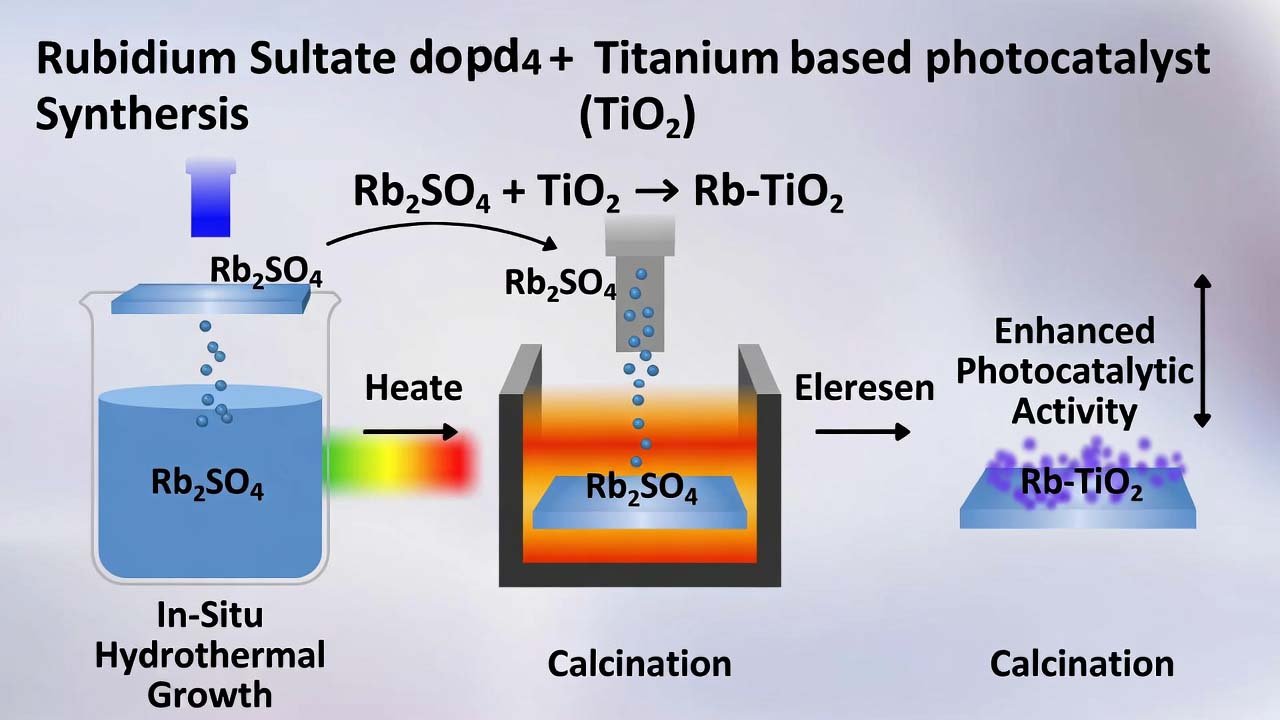
Rubidium Sulfate (Rb2SO4) Doped Titanium-Based TiO2 Thin-Film Photocatalyst: In-Situ Hydrothermal Growth + Calcination

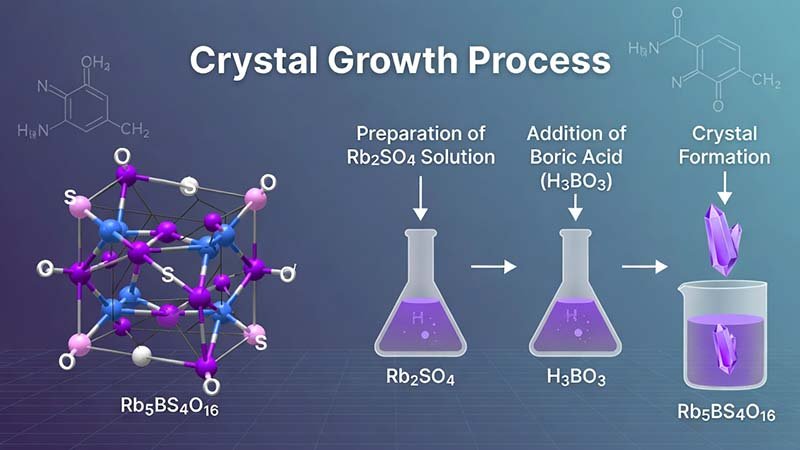
Rb₅BS₄O₁₆ Rubidium Borosulfate Crystal Growth Process Using Rubidium Sulfate (Rb₂SO₄)

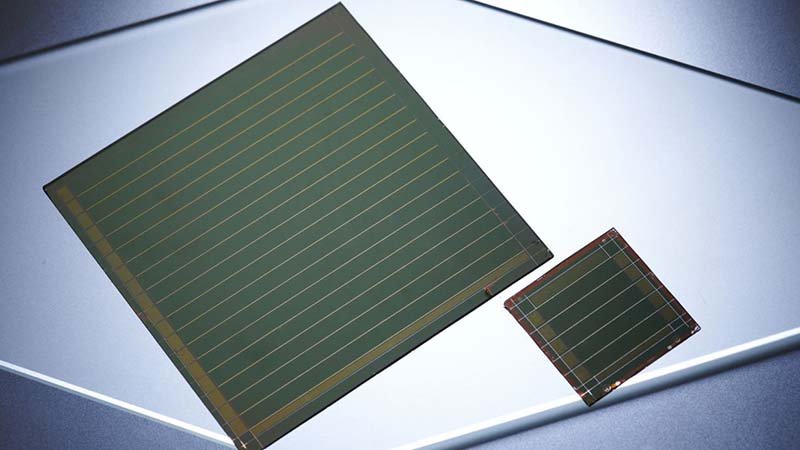
Rubidium Use in Perovskite Solar Cells: Stability Breakthroughs and Mass Production Outlook

Advanced Implementation of Night Vision-Compatible Devices with Rubidium Ions (Rb): A Detailed Guide

Unveiling the Future of Tough and Scratch-Resistant Silicate Glass: The Role of Rubidium Ions

1 3 4 5 6