Introduction to Rubidium
Rubidium was discovered in 1861 by German chemists Robert Bunsen and Gustav Kirchhoff. It was identified through flame spectroscopy, a technique that was relatively new at the time. Rubidium plays a vital role in various applications, from industrial processes to scientific research.

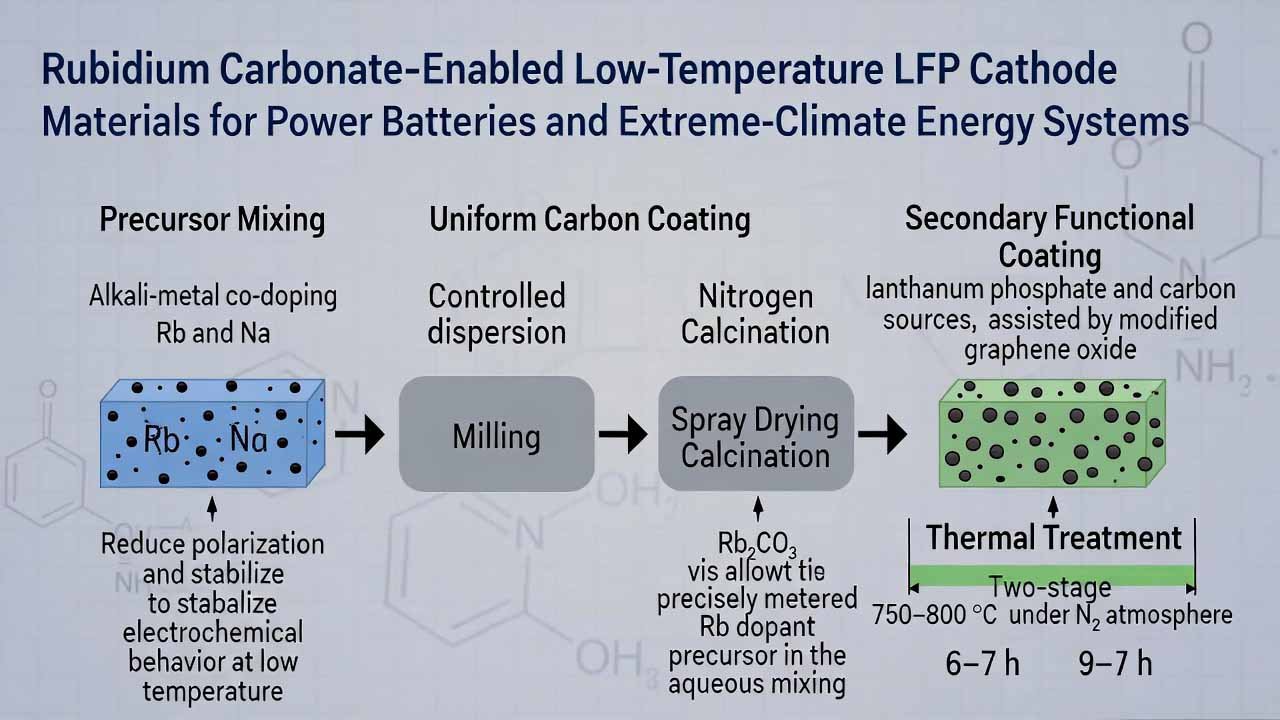
Alkali-metal co-doping (Rb and Na) during precursor mixing to reduce polarization and stabilize electrochemical behavior at low temperature. Uniform carbon coating formed through controlled dispersion, milling, spray drying, and nitrogen calcination. Secondary functional coating using lanthanum phosphate and carbon sources, assisted by modified graphene oxide for better compatibility and dispersio…
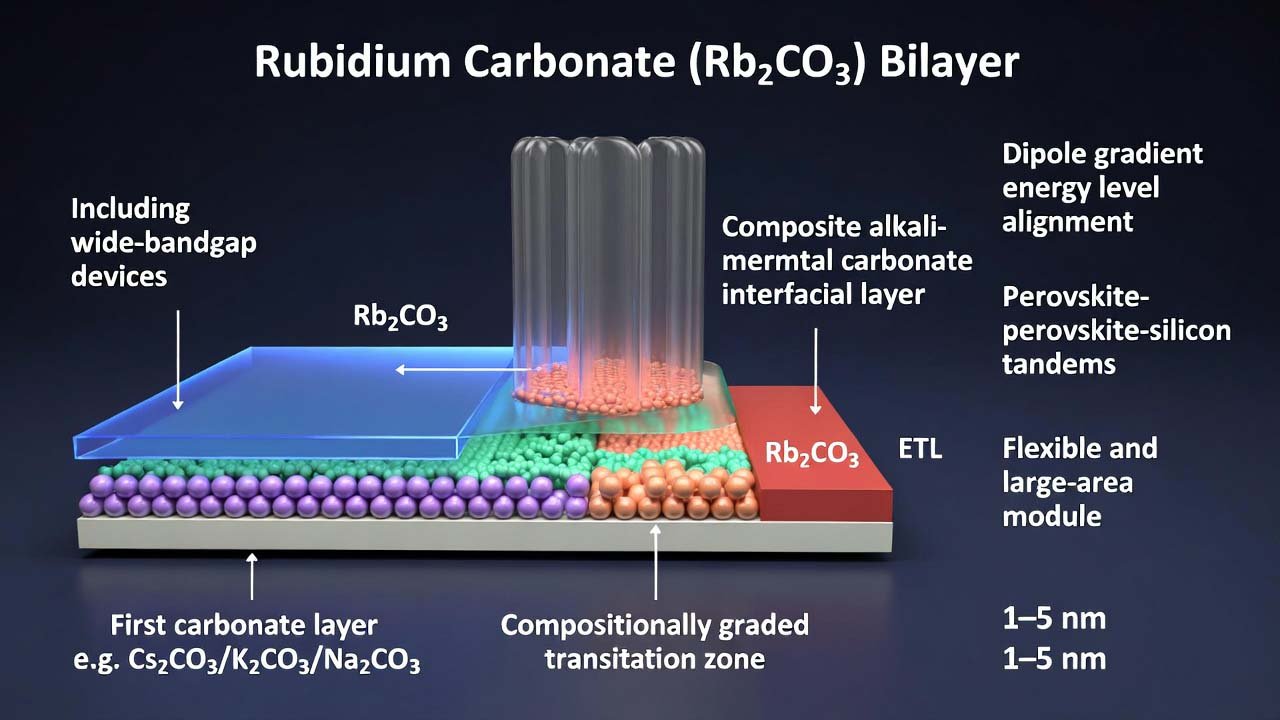
This process builds a bilayer alkali-metal carbonate interfacial stack with a compositionally graded transition zone: a first carbonate layer is placed adjacent to the perovskite (e.g., Cs2CO3/K2CO3/Na2CO3), while a second carbonate layer is placed adjacent to the ETL and can be rubidium carbonate (Rb2CO3). By continuously cross-ramping evaporation rates, the interface dipole changes gradually thr…
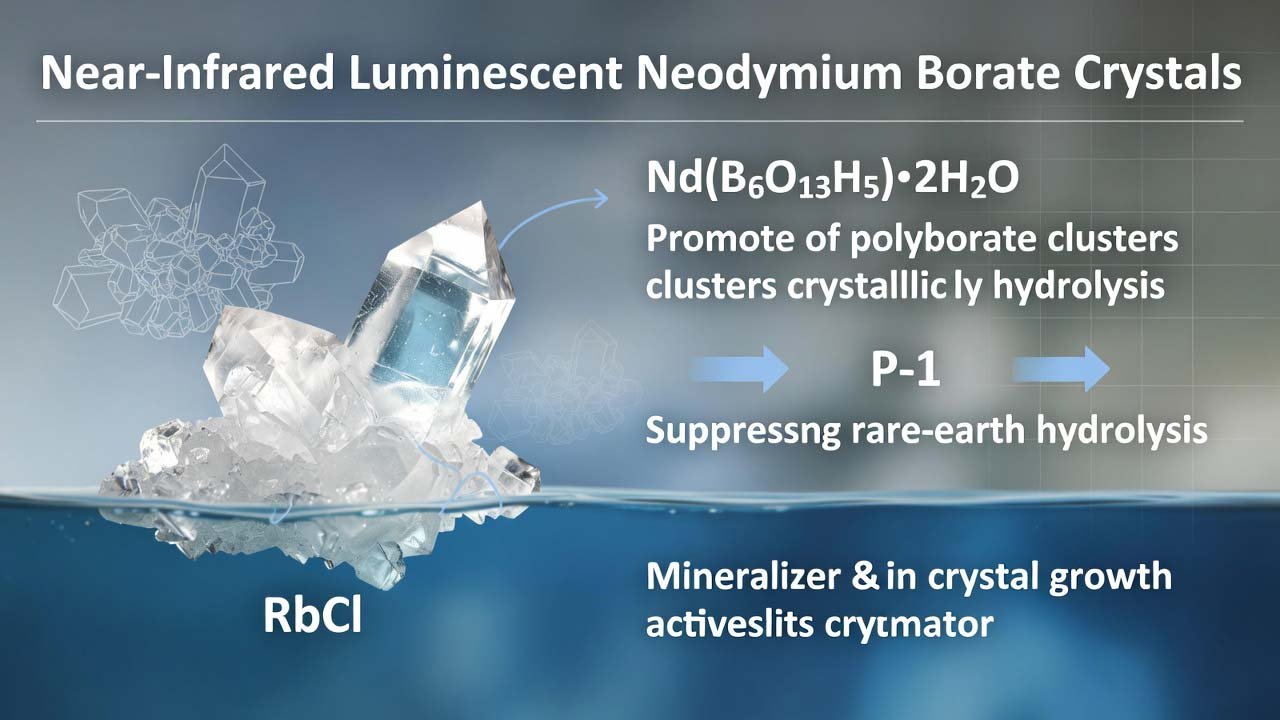
RbCl serves as a highly soluble alkali-metal chloride additive that reshapes the solution/flux micro-environment, promoting polyborate cluster assembly and suppressing failure modes common in low-temperature rare-earth borate attempts (such as rare-earth hydrolysis and precipitation).
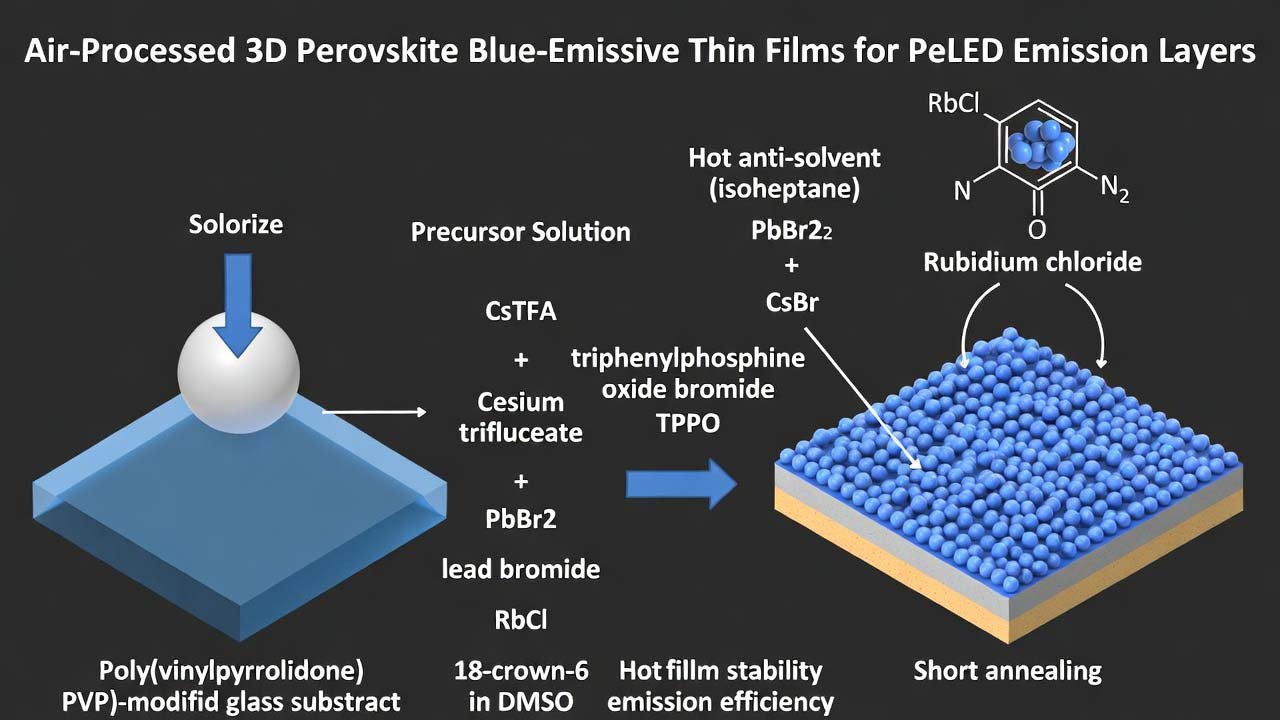
Metal-halide perovskites are attractive emissive-layer materials due to solution processability and tunable bandgap. A key barrier to scale-up is that many high-performance perovskite light-emitting films are prepared in inert environments (e.g., gloveboxes) to avoid moisture-driven defects during crystallization. The workflow below enables 3D perovskite blue-emissive thin films fabricated directl…
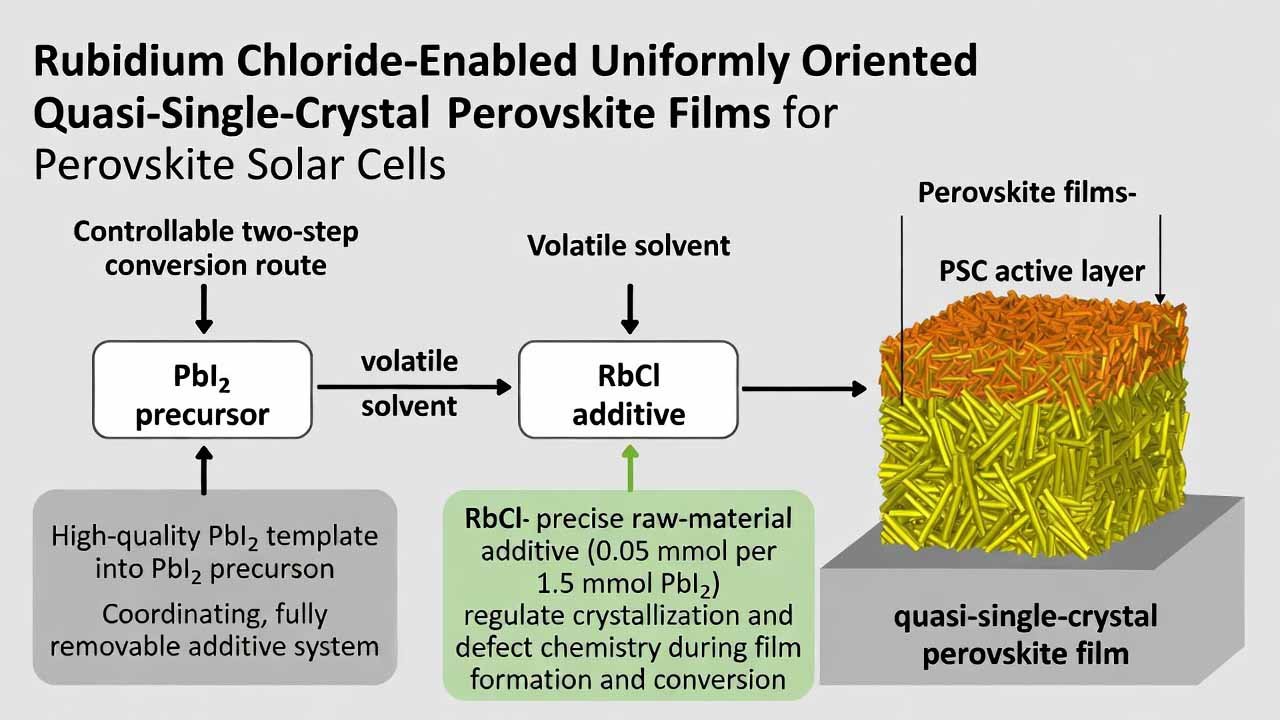
The key manufacturing idea is simple: (i) build a high-quality PbI2 template using a coordinating, fully removable (volatile) additive system, and (ii) use RbCl as a precise raw-material additive (typical level: 0.05 mmol per 1.5 mmol PbI2) to further regulate crystallization and defect chemistry during film formation and conversion.
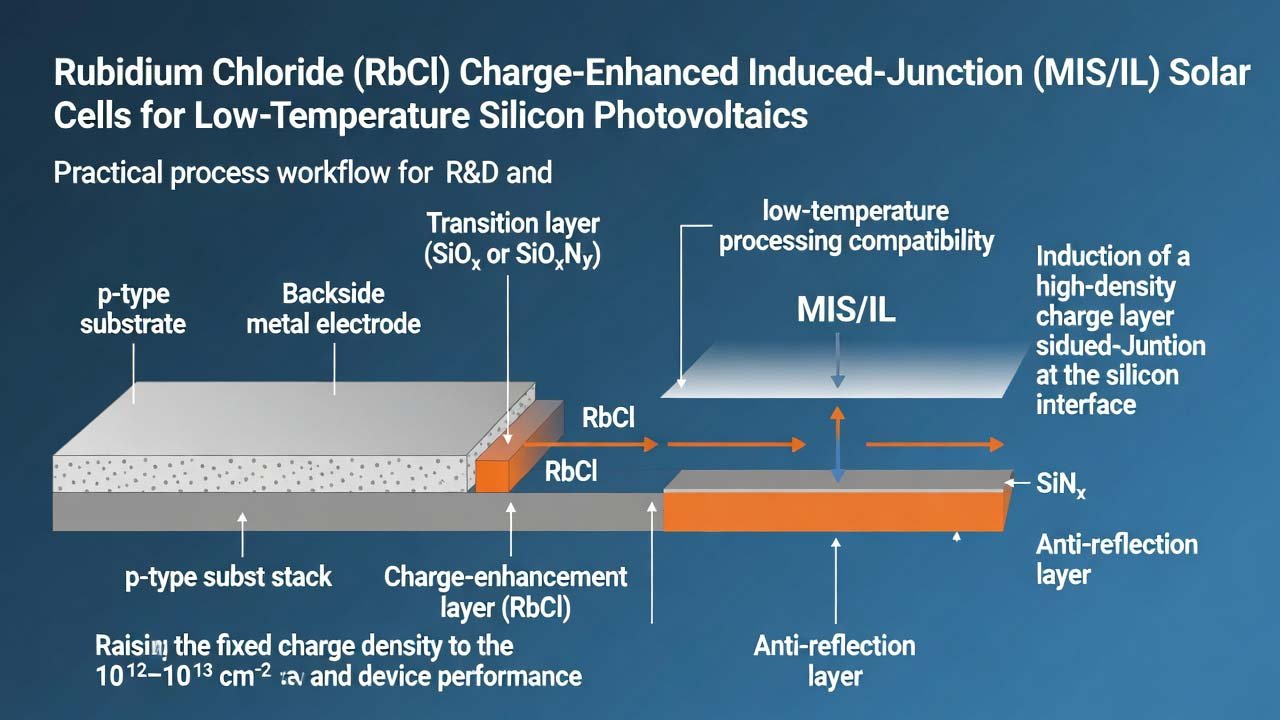
This cell structure uses a p-type semiconductor substrate with a backside metal electrode and a front-side “induction layer” stack: transition layer (SiOx or SiOxNy), a charge-enhancement layer (e.g., RbCl), and an anti-reflection layer (SiNx). With an optimized charge-enhancement layer, the fixed positive charge density in the induction layer can reach the 1012–1013 cm-2 range while maintaining l…
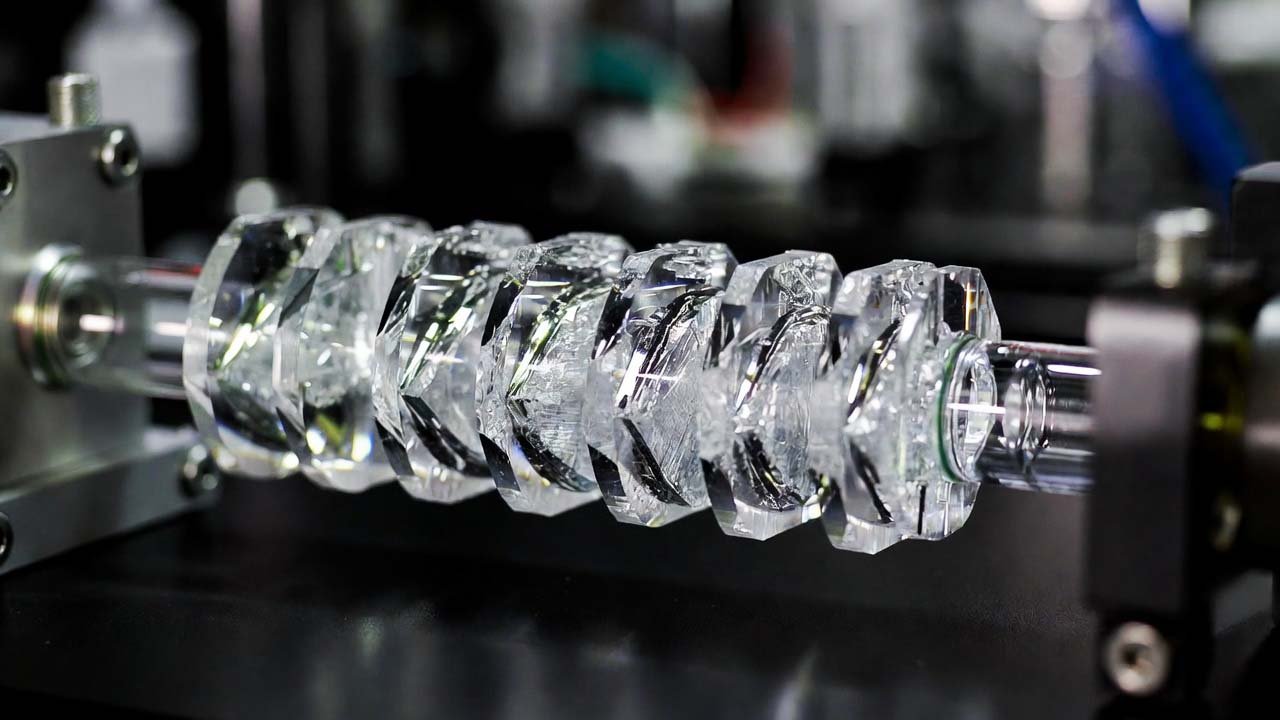
For the chloride-based trigonal series, rubidium chloride (RbCl) is a primary feedstock that supplies Rb+ for A-site population and Cl− for halide stoichiometry. By combining RbCl with CsCl, rhenium metal, sulfur, and ReCl5 inside a sealed quartz ampoule under high vacuum/inert conditions, millimeter-scale single crystals with high phase purity and strong PL performance can be obtained. Reported P…
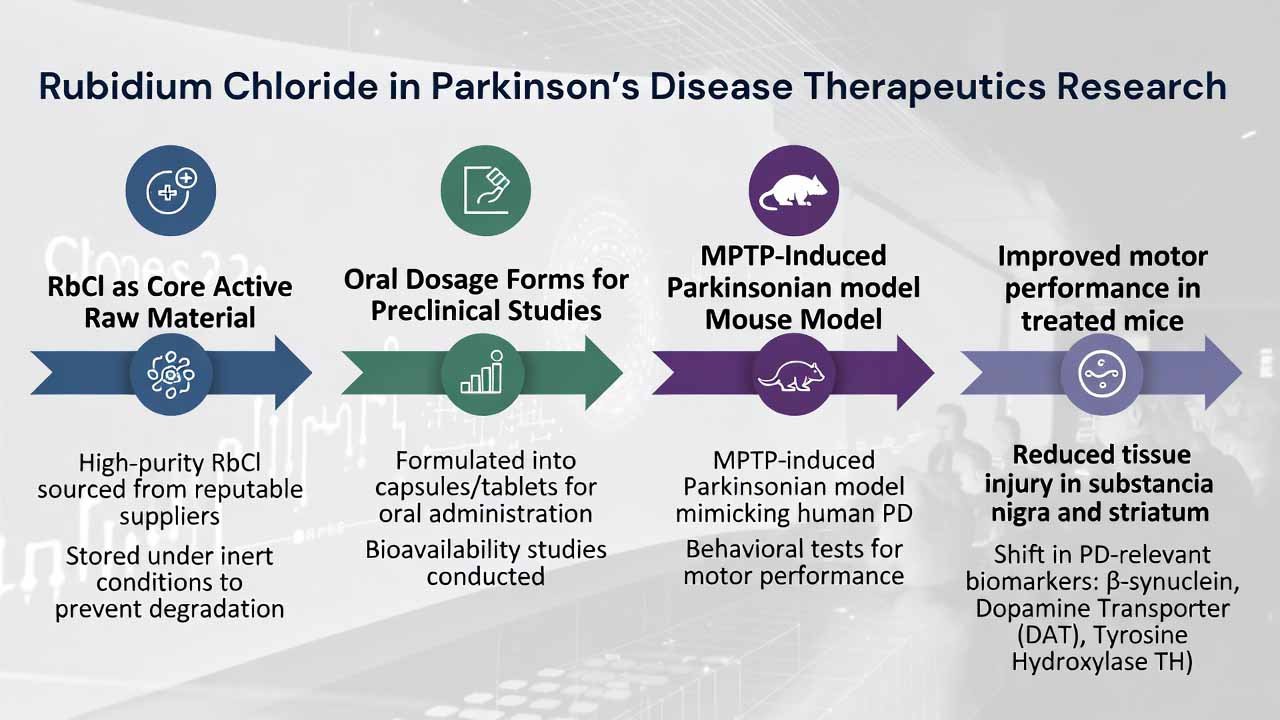
In this workflow, rubidium chloride (RbCl) is treated as the core active raw material and formulated with pharmaceutically acceptable excipients into permitted dosage forms suitable for oral administration. Efficacy is evaluated in an established MPTP-induced Parkinsonian mouse model, where RbCl administration is associated with improved motor performance, reduced tissue injury in substantia nigra…